
Looking for Japanese Gel Manicure Near Me? Here Are 7 Things Boston Salons Won't Tell You
We're always on the cutting edge of nail innovations here at Jazzy Salons, and we've noticed something fascinating happening across Boston's nail scene. Japanese gel manicures have become the holy grail of long-lasting nail perfection, but not every salon is being completely transparent about what makes these manicures truly exceptional. Ready to discover the insider secrets that could transform your nail game forever?
1. Not All "Japanese Gel" Actually Comes from Japan
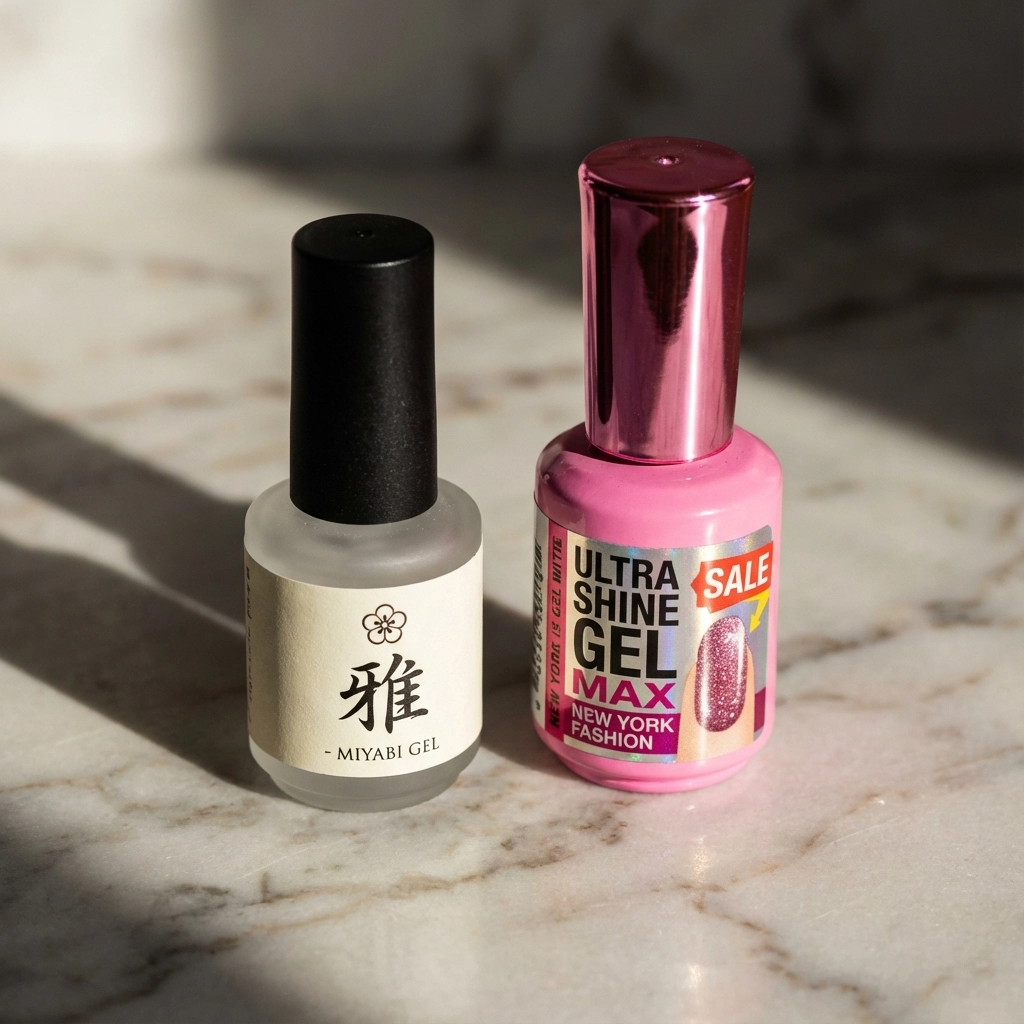
Here's a mesmerizing truth that'll make you rethink your next appointment: many Boston salons advertise "Japanese gel manicures" while using generic gel products with fancy marketing labels. The real deal involves authentic Japanese formulations like KOKOIST, Leafgel Premium, or Pregel: brands that have revolutionized nail care with their unique molecular structures and nourishing ingredients.
Authentic Japanese gels contain vitamin E, calcium, and other nail-strengthening compounds that generic alternatives simply can't replicate. When you're paying premium prices for that coveted 4-week wear, shouldn't you be getting the genuine article? The difference between authentic Japanese gel and regular gel masquerading as "Japanese style" is like comparing a luxury sports car to a painted bicycle: they might look similar from a distance, but the performance tells a completely different story.
2. The "4+ Week Longevity" Promise Depends on Prep Work Most Salons Skip
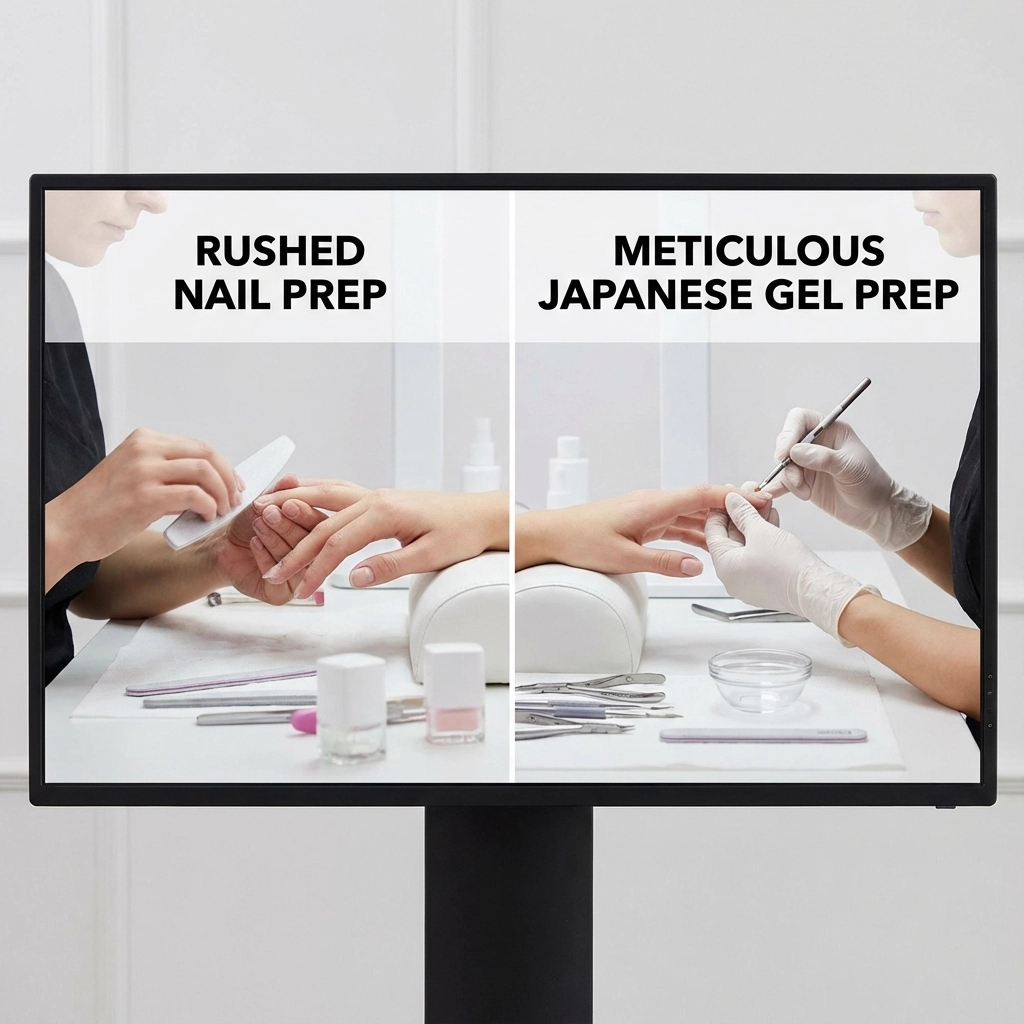
Say hello to the industry's best-kept secret: those stunning 4-week results you've been promised are entirely dependent on meticulous nail preparation that many salons treat as optional. We're talking about proper cuticle work, precise filing angles, and thorough dehydration protocols that can take an additional 15-20 minutes per service.
Here's where it gets juicy: many Boston salons rush through the prep phase to maximize their daily client count, then wonder why your manicure starts chipping after just one week. The striking difference between a rushed prep job and proper Japanese gel application isn't just visible; it's measurable in weeks of wear time. Those shimmering, flawless nails you see on Instagram? They're the result of technicians who refuse to cut corners during the foundation phase.
3. Improper Removal Can Destroy Your Natural Nails (And Many Salons Do It Wrong)
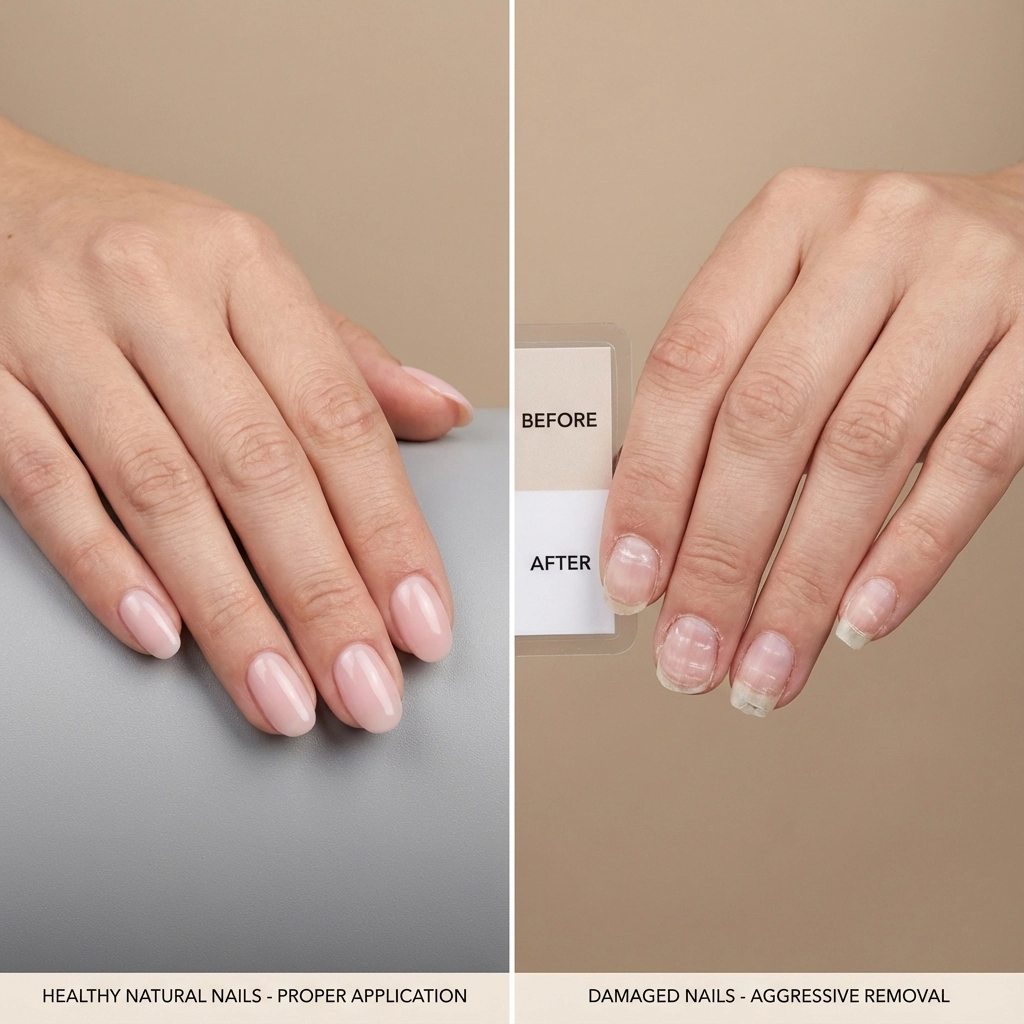
Ready to learn something that could save your nail health forever? The removal process for Japanese gel manicures requires specific techniques and timing that many Boston salons simply don't follow. Unlike regular gel polish that can be aggressively filed off, authentic Japanese gels need gentle soaking with acetone wraps and careful scraping to preserve your nail's integrity.
The delightful irony is that Japanese gels are actually easier to remove when done correctly: they file down smoothly without damaging the nail plate. But we've seen countless clients arrive at our salon with thin, damaged nails because their previous salon treated Japanese gel removal like a demolition project rather than a precision art form. The opulence of a perfect Japanese gel manicure means nothing if your natural nails are compromised in the process.
4. Technician Certification Levels Vary Dramatically (And It Shows in the Results)
What nail color is trending when your technician doesn't know proper application techniques? Spoiler alert: it doesn't matter how gorgeous the shade is if the application is subpar. Here's the striking reality: authentic Japanese gel application requires specialized training that goes far beyond basic nail tech certification.
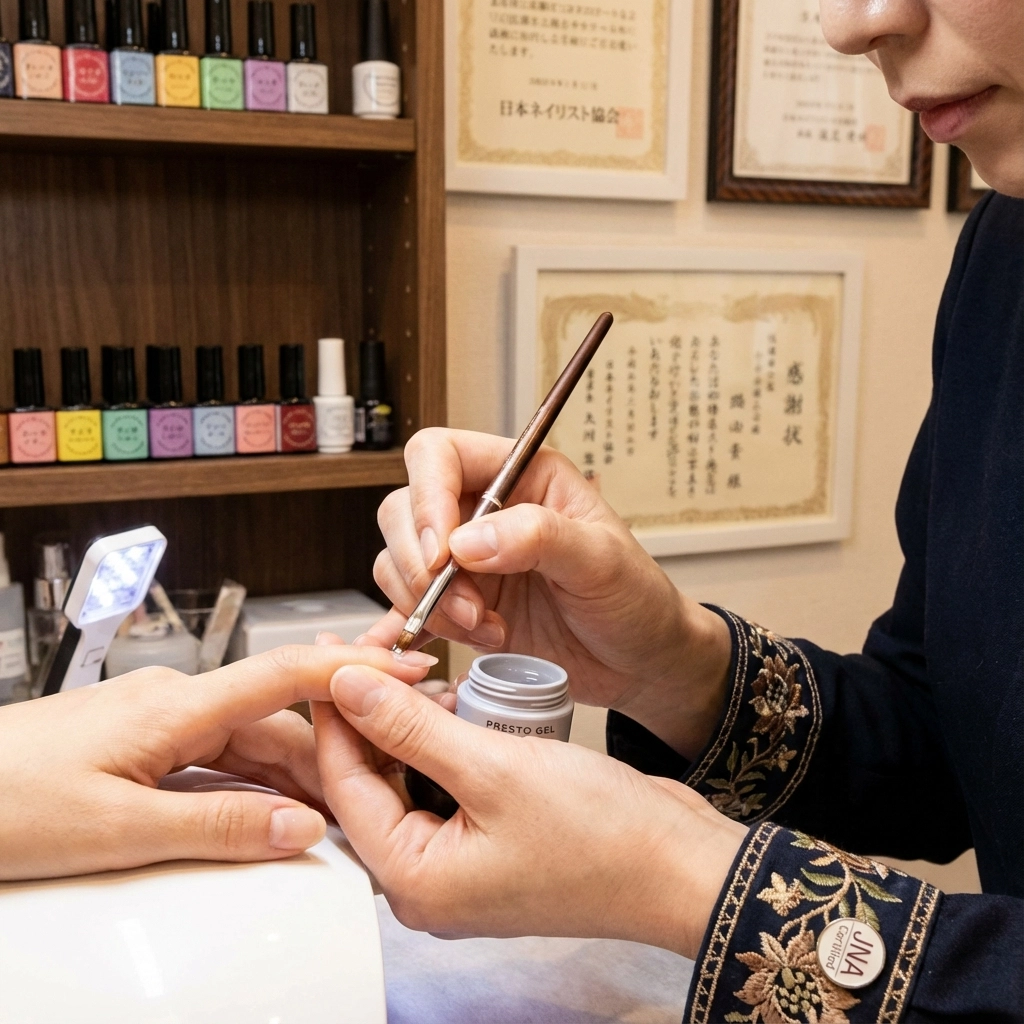
The most prestigious Japanese nail salons employ technicians certified by brands like Leafgel Premium, who undergo intensive training in Asia and participate in regular seasonal workshops. These aren't just fancy certificates on the wall; they represent hundreds of hours of hands-on training in the precise application methods that make Japanese gels legendary. When you're investing in premium nail care, shouldn't your technician have more than a weekend workshop under their belt?
5. Sanitation Standards Aren't Always What They Appear to Be
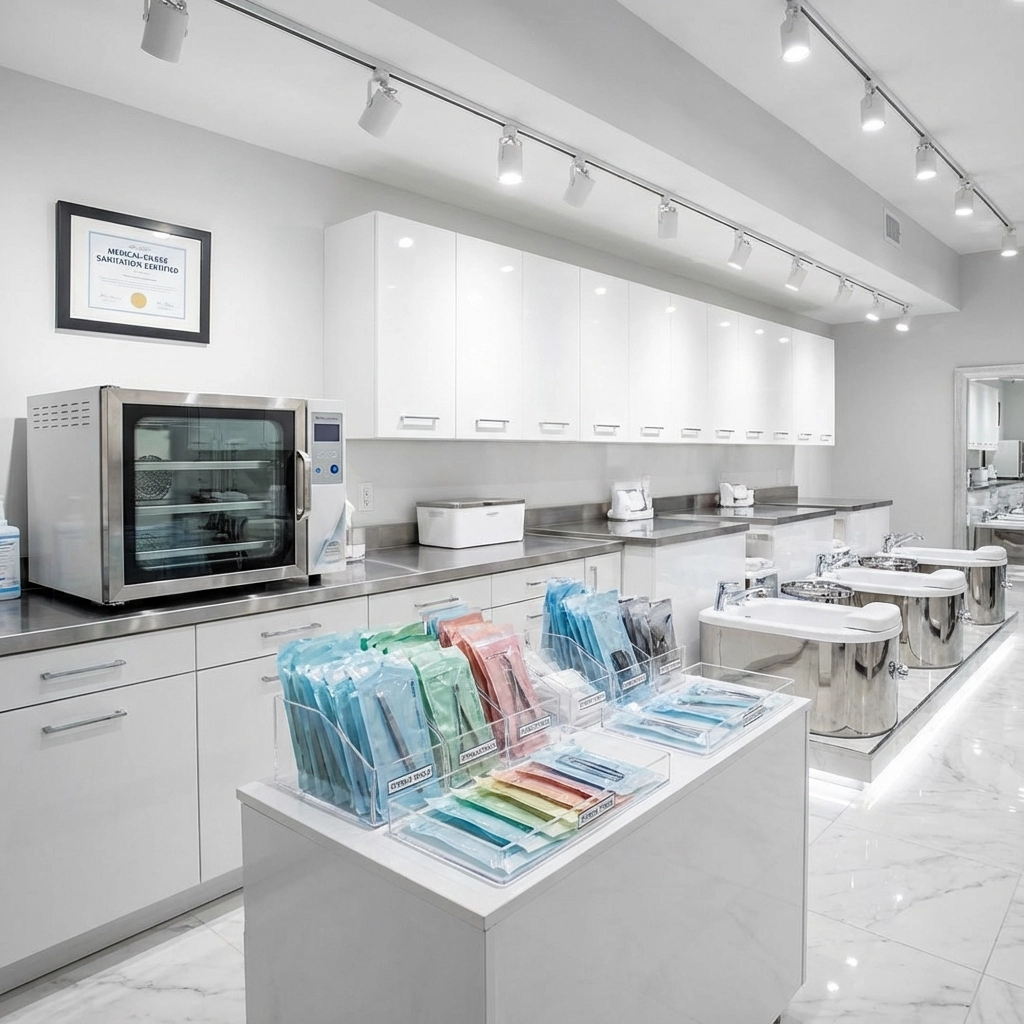
Embrace the truth about what's happening behind those gleaming salon facades: not every Boston nail salon maintains the rigorous sanitation standards that Japanese gel manicures demand. We're talking about autoclave sterilization for all metal tools, fresh disposable files for every client, and magnetized pedicure tubs that prevent bacterial buildup.
The mesmerizing world of luxury nail care requires uncompromising cleanliness standards, yet many salons cut corners with UV sanitizers that look impressive but don't actually achieve hospital-grade sterilization. When you're paying premium prices for Japanese gel excellence, you deserve to know that every tool touching your nails has been properly sterilized, not just visually cleaned.
6. The Price Difference Often Reflects Hidden Quality Gaps
Step into any Boston nail salon and you'll find Japanese gel manicures ranging from $45 to $120: but those price differences aren't arbitrary. The unparalleled beauty of authentic Japanese gel formulations comes with a cost that's reflected in everything from product sourcing to application time to technician expertise.
Here's where chic sophistication meets reality: those budget-friendly "Japanese gel" options often use diluted formulations, rushed application techniques, or undertrained staff that compromise your results. The striking difference between a $50 and $100 Japanese gel manicure isn't just in the salon's décor: it's in the longevity, appearance, and overall nail health outcomes you'll experience.
7. Many Salons Don't Properly Cure the Gel (Affecting Durability and Appearance)
Look no further than improper curing for the reason why some Japanese gel manicures feel tacky, chip early, or develop that telltale dull appearance after just a few days. The delightful science behind Japanese gel requires precise UV or LED curing times that vary based on gel thickness, nail shape, and even ambient temperature.
The epitome of playful sophistication means nothing if your gel isn't properly cured, yet many Boston salons use outdated lamps or rush the curing process to keep their schedule moving. Each layer requires specific timing: typically 30-60 seconds depending on the formulation: and shortcuts in this phase guaranteed to compromise your manicure's longevity and shine.
What This Means for Your Next Japanese Gel Manicure
Ready to elevate your nail game with confidence? Armed with this insider knowledge, you can now ask the right questions before booking your next appointment. Inquire about product brands, certification levels, sanitation protocols, and curing procedures. A reputable salon will welcome these questions and provide detailed answers.
The juicy reality is that truly exceptional Japanese gel manicures are worth every penny when executed properly: but only when you know what to look for. Those mesmerizing results you've been dreaming of are absolutely achievable, but they require finding a salon that refuses to compromise on any of these seven crucial elements.
When you're ready to experience Japanese gel manicures that live up to their legendary reputation, remember that luxury isn't just about the price tag: it's about the expertise, authenticity, and attention to detail that creates nail perfection worthy of your investment.
Your nails deserve nothing less than the genuine Japanese gel experience, complete with proper preparation, authentic products, expert application, and meticulous aftercare. The striking difference between mediocre and magnificent is often found in these details that many salons hope you'll never ask about.
Comments